What to Wear for a Professional Portrait Session: A Photographer’s Guide
What you wear can have a significant impact on your portrait. Learn how to choose colors, clothing, textures, accessories, and wardrobe styles that complement you and support the story you want your photographs to tell.
Your Clothing Is Part of the Portrait
What you wear for a professional portrait session can have a significant impact on the final image. The right wardrobe should complement you—not compete with you—and help communicate the impression you want your portrait to make.
Whether you're preparing for a professional headshot, personal branding session, family portrait, or a more artistic portrait experience, clothing choices affect color, mood, shape, and the overall visual balance of the photograph.
I encourage clients to think beyond simply asking, “What should I wear?” A better question is, “How do I want to be seen?”
Confident. Approachable. Sophisticated. Creative. Powerful. Relaxed.
Once we understand that, wardrobe becomes part of the creative process. In this guide, I'll walk you through the considerations I use when helping clients prepare for a portrait session—from color and fit to patterns, accessories, and choosing clothing for different types of portraits.
Start With How You Want to Be Seen
Before choosing colors, jackets, dresses, or accessories, think about the message you want your portrait to communicate.
A corporate executive may want to project confidence and authority. An entrepreneur building a personal brand might want to appear polished but approachable. An artist or creative professional may want something more expressive and unconventional. A personal portrait may simply be about capturing who you are at this moment in your life.
Your wardrobe should support that intention.
For example, a tailored suit can create structure and authority, while softer fabrics and relaxed layers can produce a more approachable feeling. Bold colors can communicate energy and confidence, while neutral or muted tones often create a quieter, more timeless portrait.
There isn't one correct way to dress for a portrait session. The goal is to make deliberate choices that support the story you want the photograph to tell.
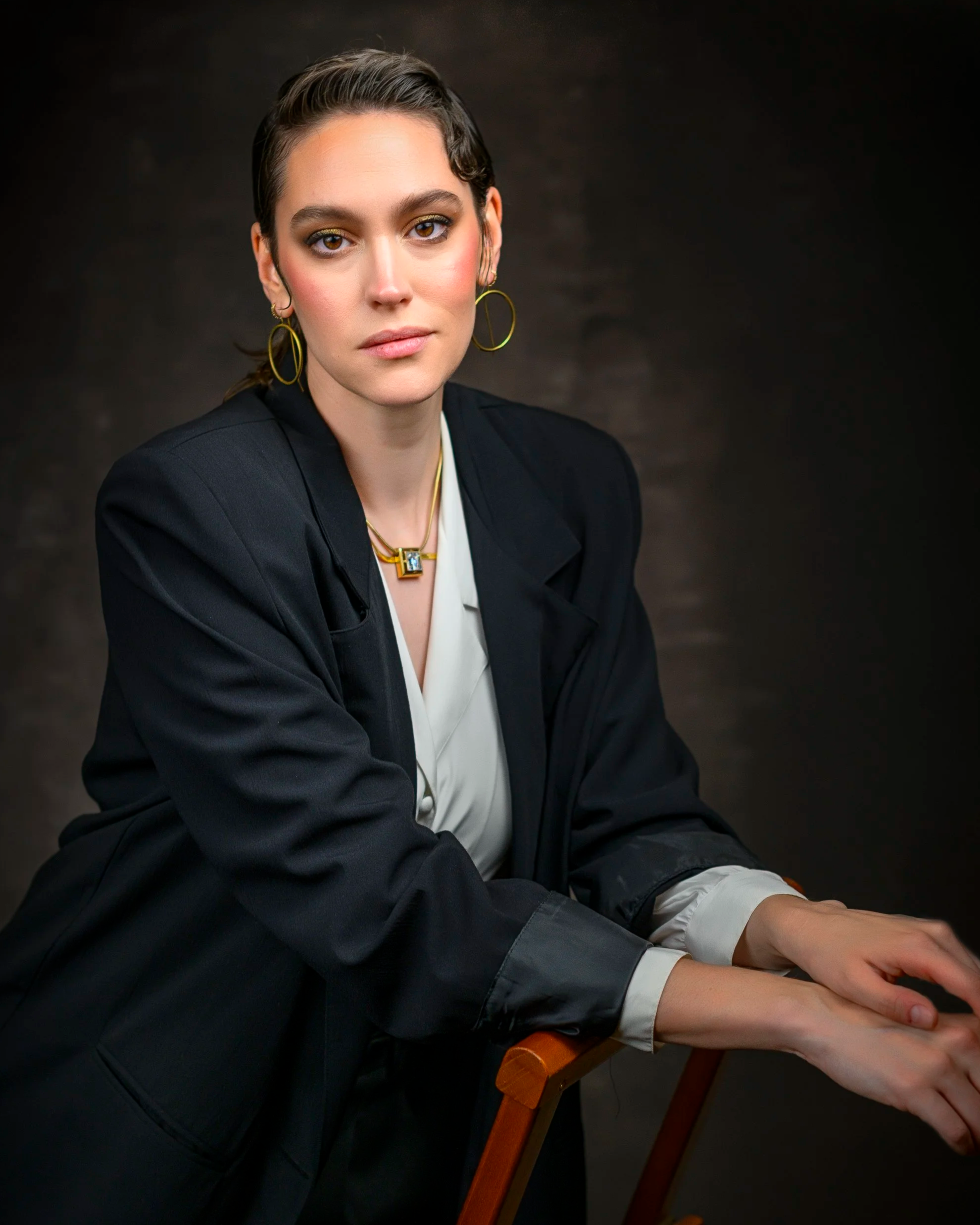
Choose Colors That Complement You
Color is one of the first things we notice in a photograph, which makes wardrobe color an important part of portrait planning. The best choices should complement your skin tone, work with the setting or background, and support the mood we want to create.
Neutral colors such as black, white, cream, gray, navy, and earth tones are versatile and often photograph beautifully. They can keep attention on your face and give an image a polished, timeless quality.
That doesn't mean you should avoid color. Rich jewel tones, warm earth tones, pastels, and even bold saturated colors can be extremely effective when they're chosen intentionally. A strong color can become part of the visual identity of a portrait rather than simply something you're wearing.
The key is coordination rather than matching. Your clothing, skin tone, background, and other elements in the photograph should feel like they belong together.
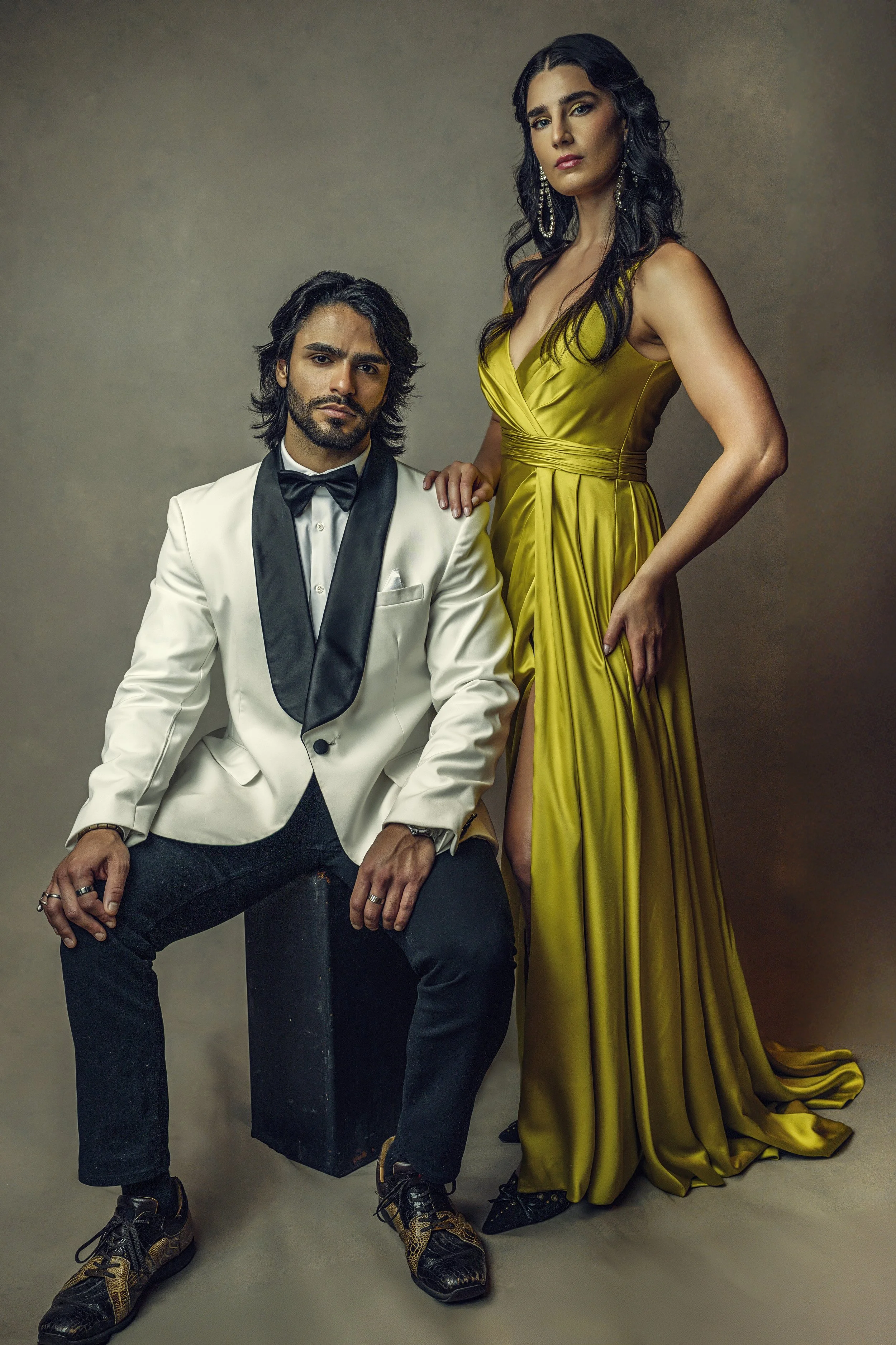
When photographing more than one person, I generally recommend choosing colors that complement one another instead of putting everyone in identical outfits. This creates visual harmony while allowing each person to retain their individuality.
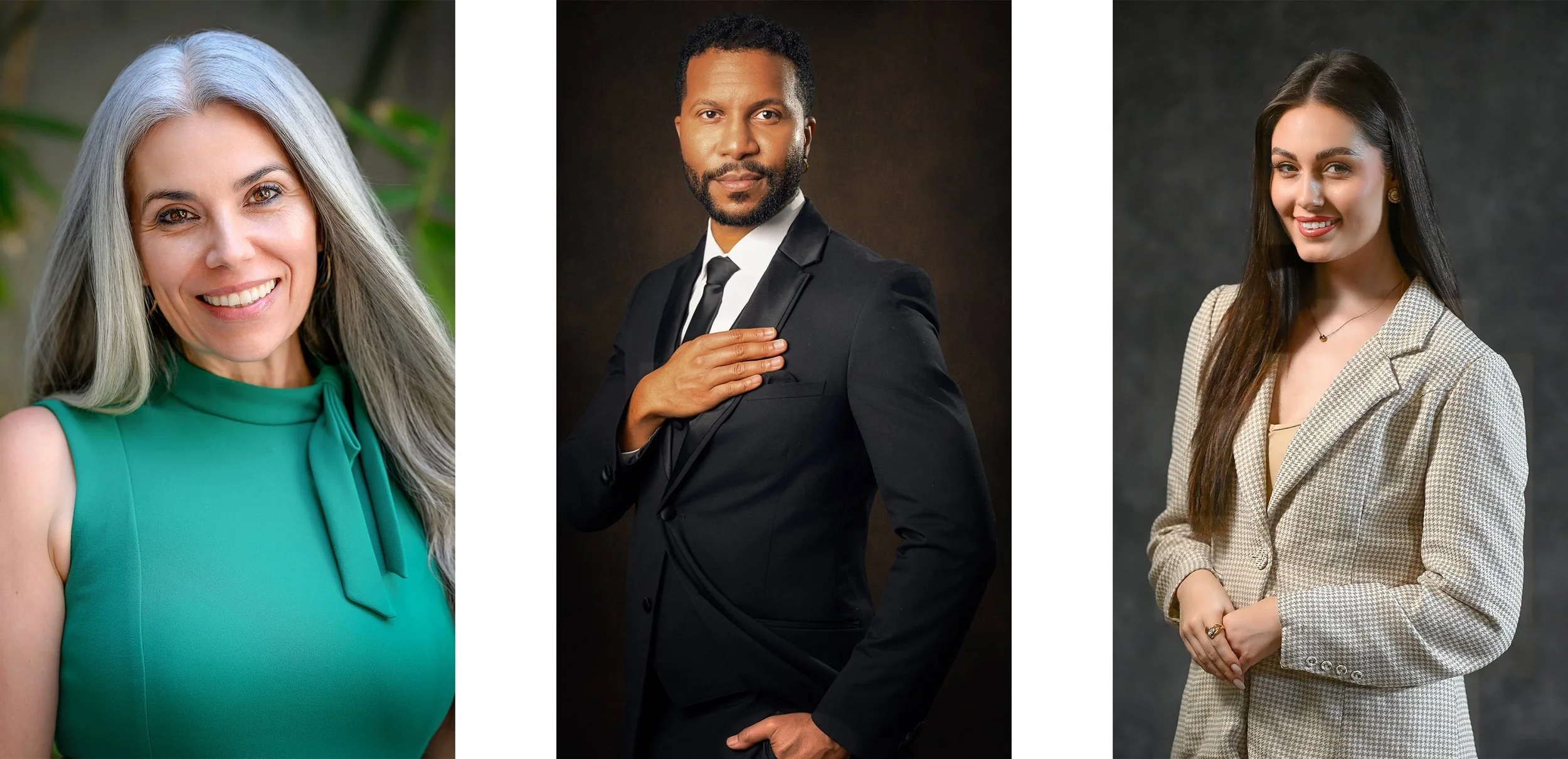
Patterns, Texture, and Fit Matter
Solid colors are often a safe choice for portraits because they keep the viewer's attention on you. But patterns aren't necessarily something to avoid. A subtle pattern can add visual interest and personality without becoming distracting.
The key is scale and contrast. Very small, tightly repeated patterns can sometimes create unwanted visual effects on camera, while large, high-contrast patterns may compete with your face. When in doubt, simpler usually photographs better.
Texture, on the other hand, can be extremely effective. Jackets, knits, layered fabrics, lace, leather, and other textured materials can give a portrait dimension and visual richness without relying on a busy pattern.
Just as important as color or pattern is fit. Clothing that fits properly creates cleaner lines and helps you look polished and confident. Clothing that is excessively loose, tight, wrinkled, or constantly needs adjusting can become distracting in the finished portrait.
For professional portraits in particular, tailoring can make a significant difference. A well-fitted jacket, properly positioned collar, and appropriate sleeve length are small details that contribute to a much more refined photograph.
A useful rule: your clothing should support the portrait—not become the subject of it.
Avoid Clothing That Distracts From You
A portrait should draw attention to the person first. Certain wardrobe choices can compete with your face or become more noticeable in a photograph than they seem in everyday life.
Large logos, prominent brand names, bold graphics, extremely busy patterns, and highly reflective materials can pull the viewer's eye away from your expression. Unless those elements are intentionally part of your personal brand or the concept of the portrait, I generally recommend keeping them to a minimum.
The same principle applies to accessories. Jewelry, watches, glasses, scarves, and other accessories can add personality and finish an outfit beautifully, but they should feel intentional. Too many competing elements can make an otherwise polished portrait feel visually cluttered.
Also pay attention to small details before your session: wrinkled clothing, visible undergarments, lint, worn shoes, tight collars, bulging pockets, and hair ties around the wrist are all things the camera tends to notice.
The goal isn't to minimize your style. It's to make every element intentional, so your wardrobe enhances your personality rather than competing with it.
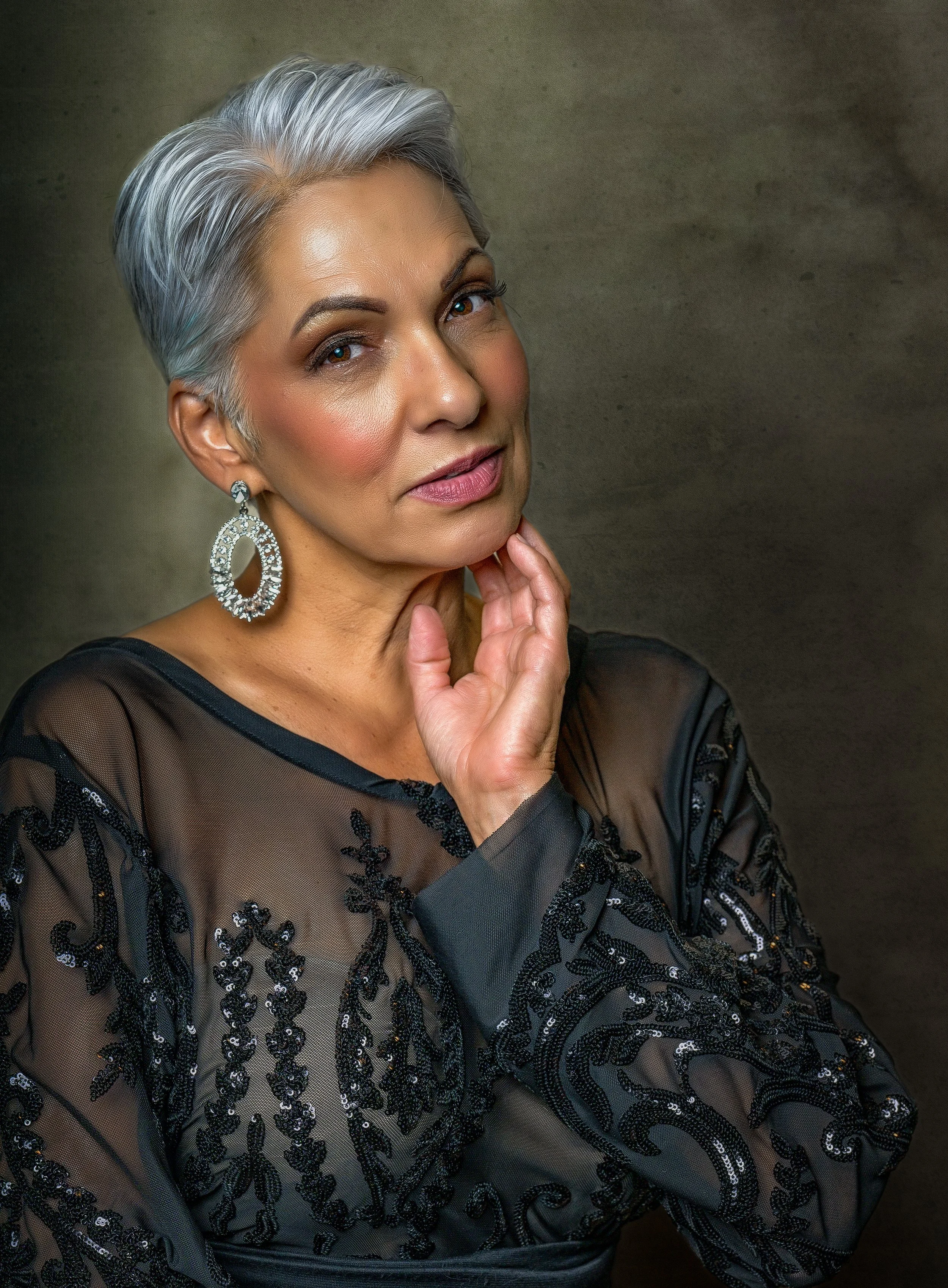
Dress for the Type of Portrait You’re Creating
What you wear should also reflect the kind of portrait you’re creating. A wardrobe that works beautifully for a corporate headshot may feel too restrained for a personal branding session, while clothing designed for a fine-art portrait may be intentionally dramatic.
Before choosing your wardrobe, consider where the photographs will be used and what you want them to communicate.
Professional Headshots
For a professional headshot, simplicity usually works best. A well-fitted jacket, blouse, shirt, or dress in a complementary color creates a polished appearance without pulling attention away from your expression.
Your clothing should reflect your profession, but it should also feel authentic to you. Not every professional needs to wear a suit.
The objective is to look like yourself on your best day—not like someone dressed for a role that doesn’t belong to you.
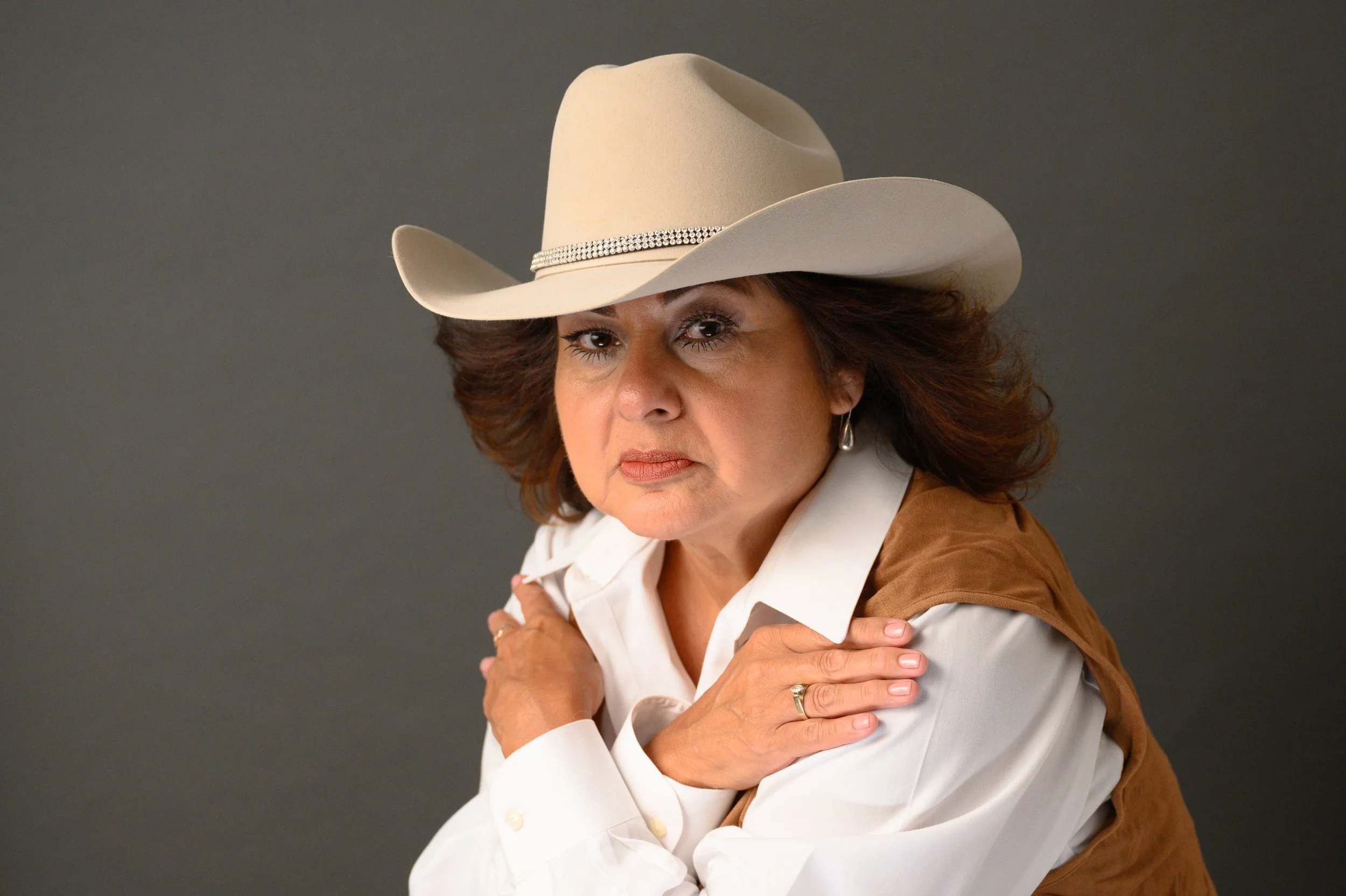
Personal Branding Portraits
Personal branding gives us more freedom.
Your wardrobe can communicate personality, confidence, creativity, approachability, sophistication—or whatever qualities are important to your brand. Multiple outfits can also be useful because they allow us to create different visual messages during the same session.
A business owner might begin with a polished professional look and transition into something more relaxed. A creative professional might incorporate stronger colors, distinctive accessories, or clothing that immediately communicates their style.
A successful branding portrait should tell people something about you before they ever read your biography.
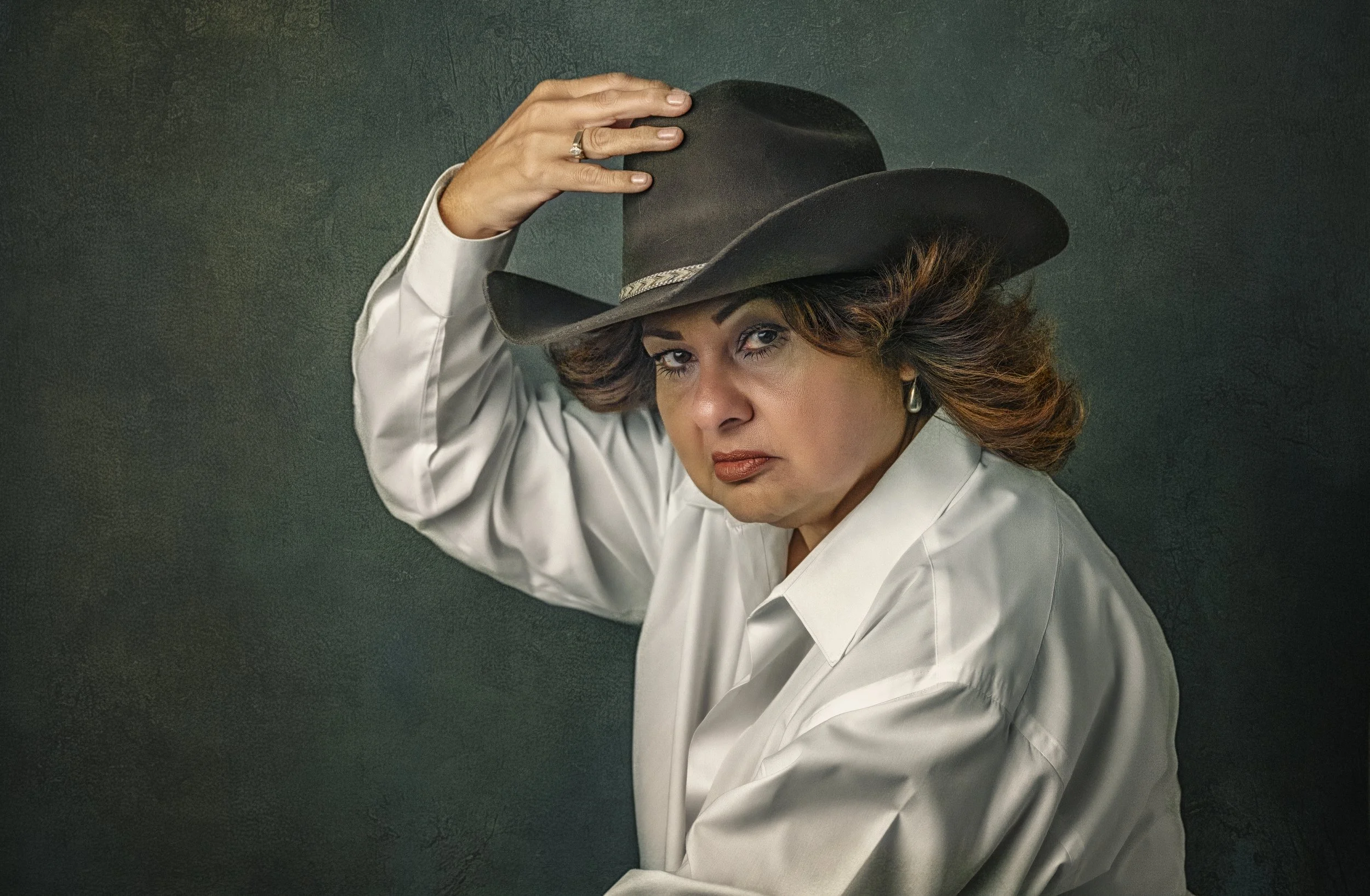
Fine-Art and Creative Portraits
This is where the rules can change completely.
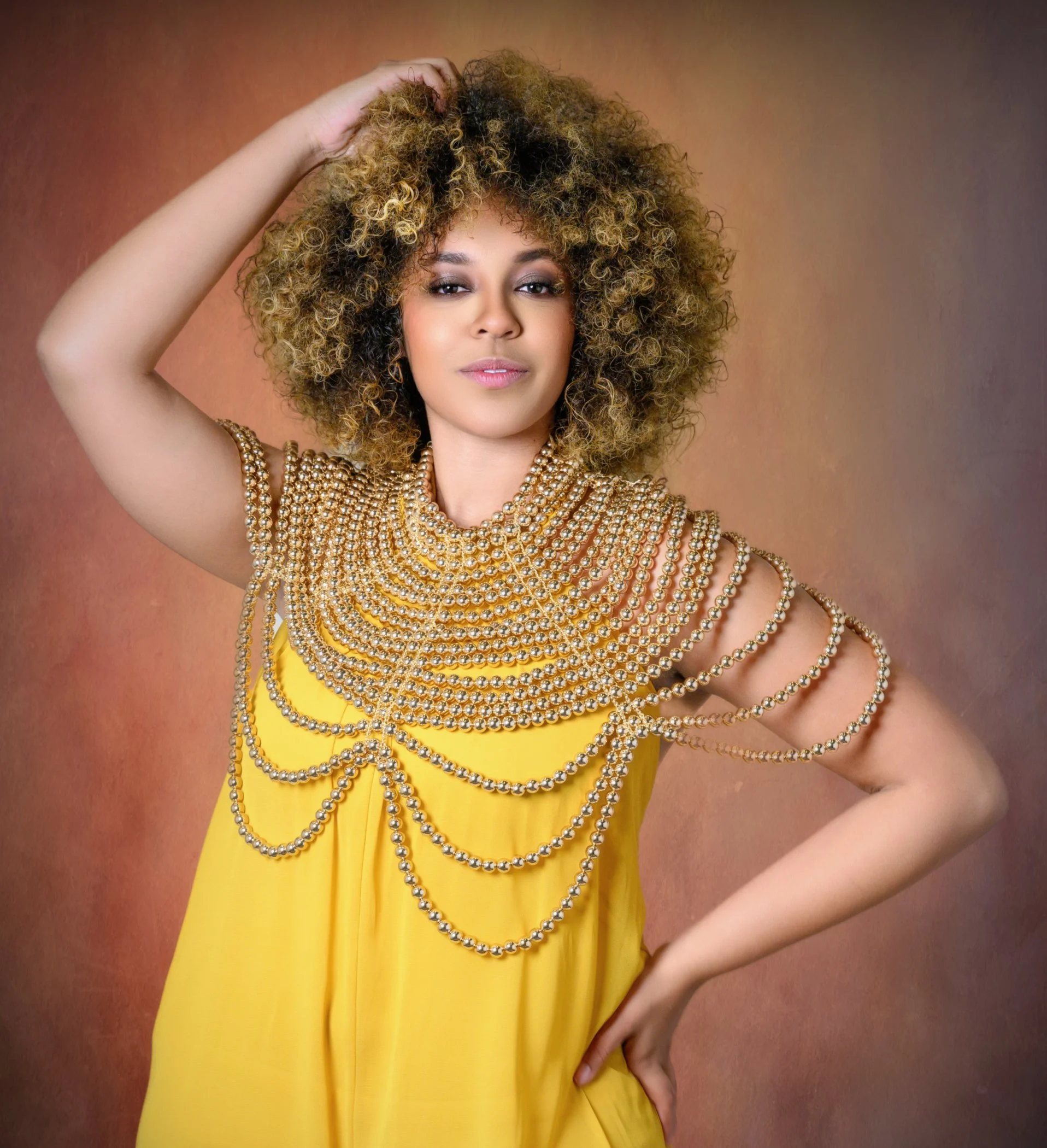
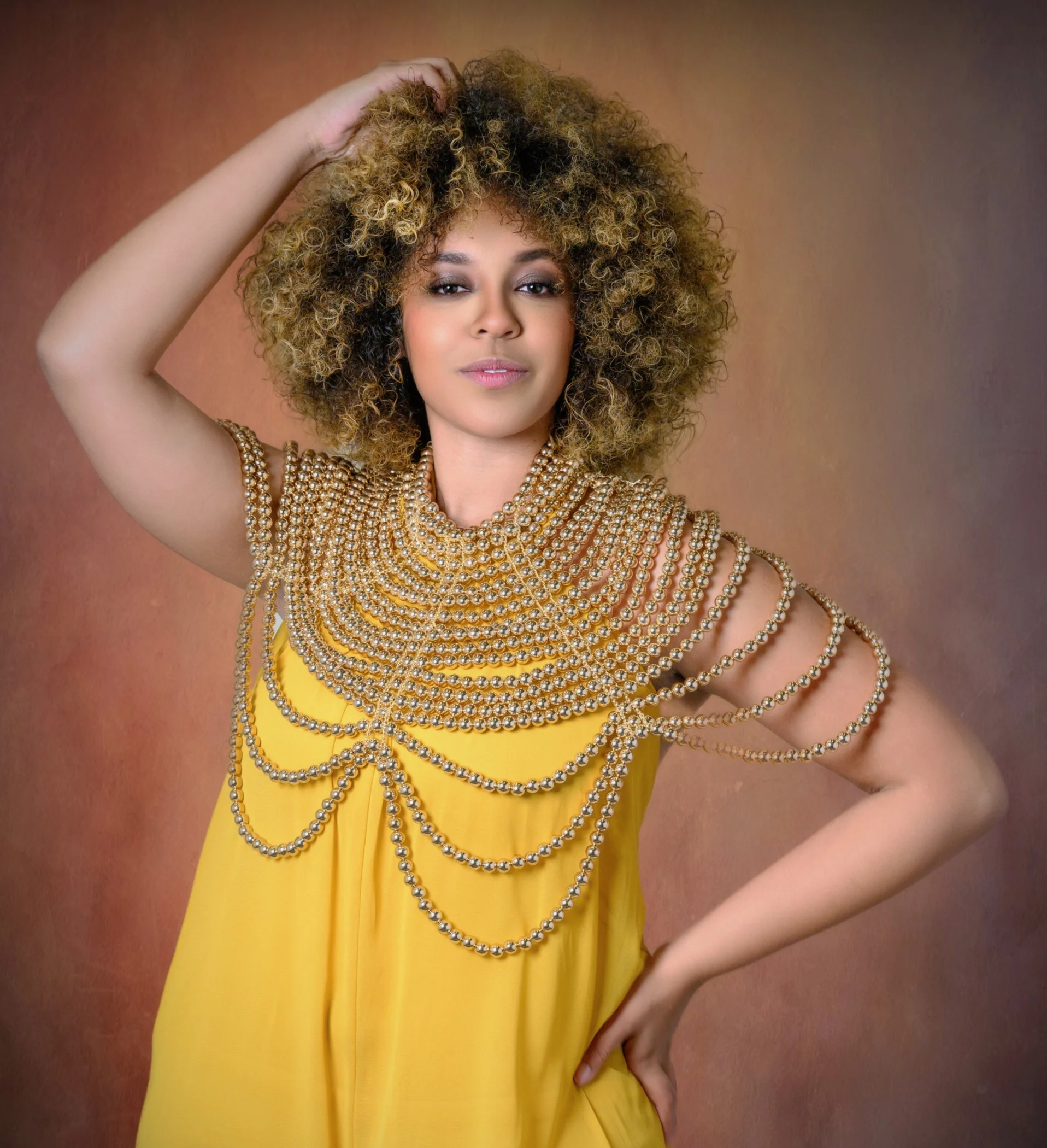
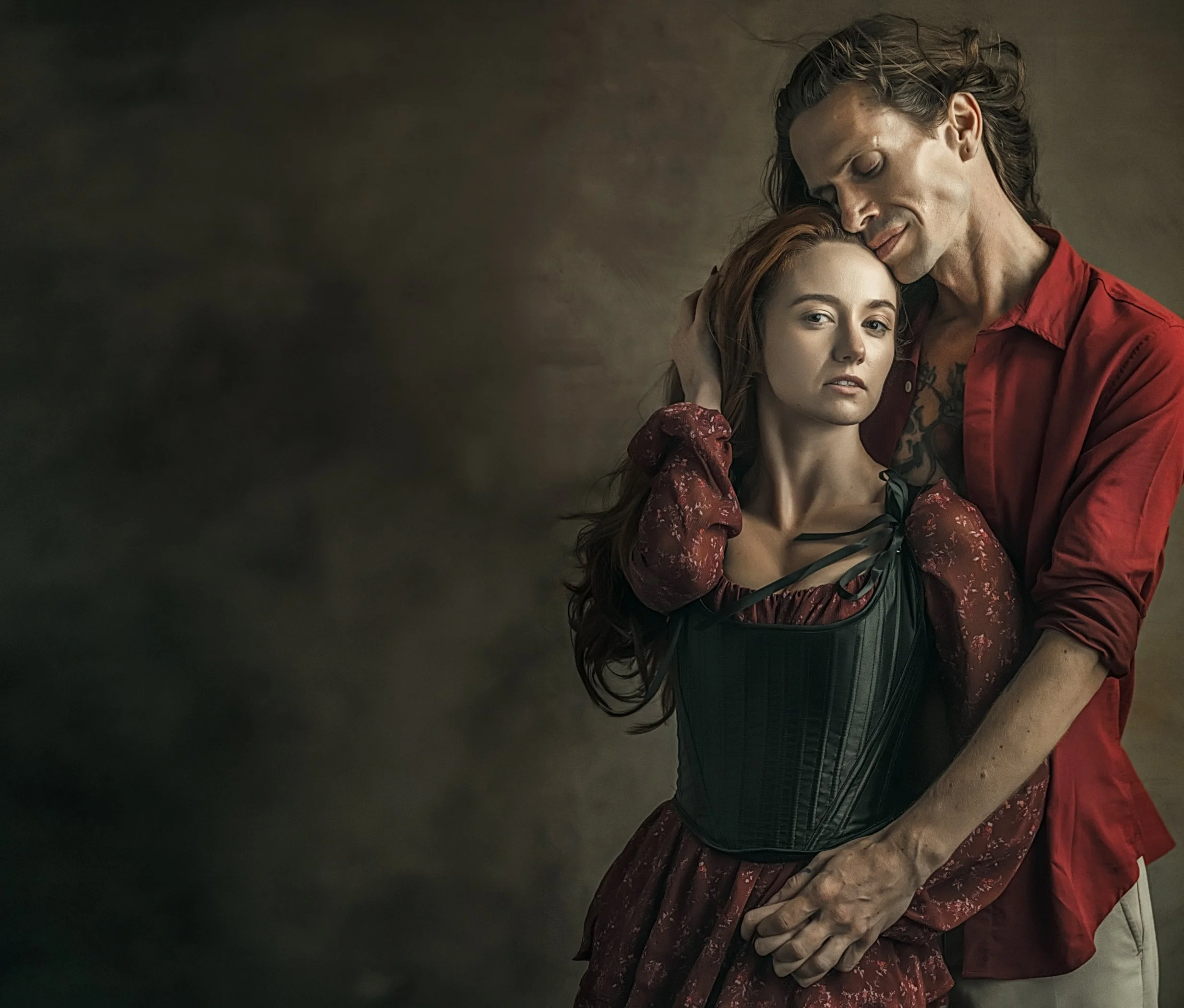
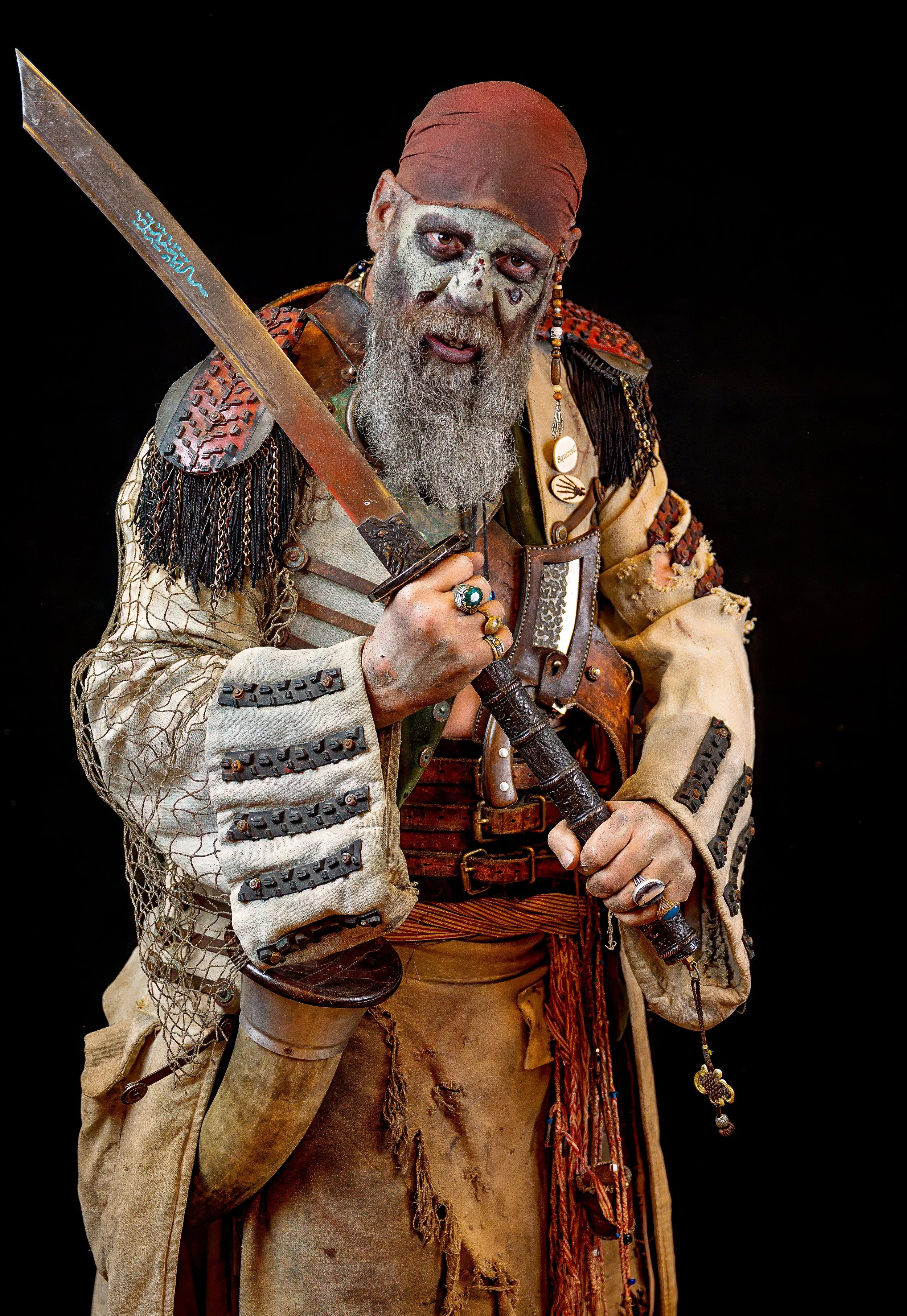
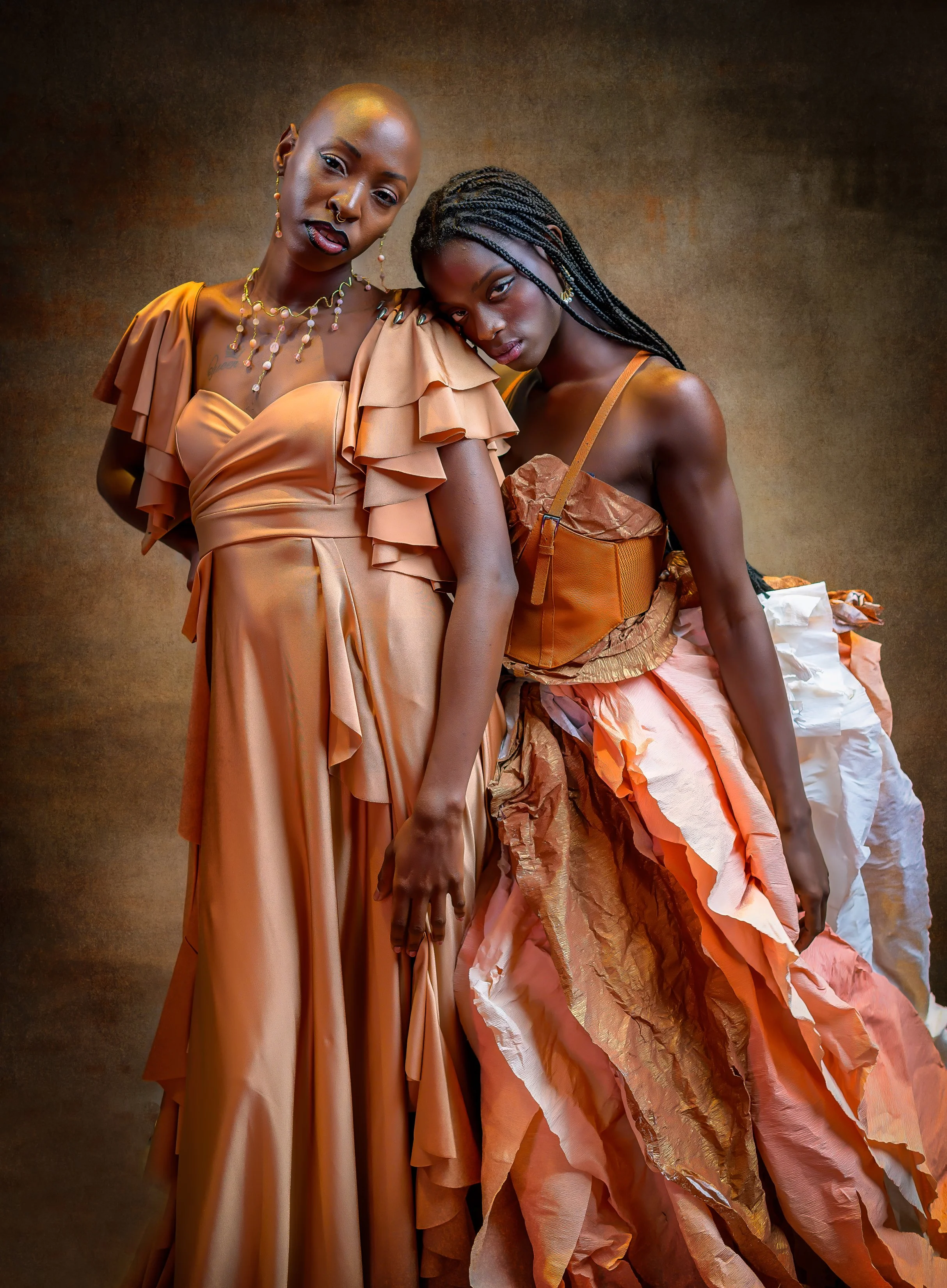
In a fine-art portrait, wardrobe may become part of the artistic concept itself. Dramatic fabrics, elaborate accessories, unusual textures, period-inspired clothing, or bold colors can all contribute to the story we're creating.
In these portraits, I don't necessarily want the wardrobe to disappear. Sometimes I want it to become an important part of the photograph.
The difference is intention.
When the wardrobe, lighting, background, posing, and expression are designed to work together, clothing becomes another tool for creating the final image.
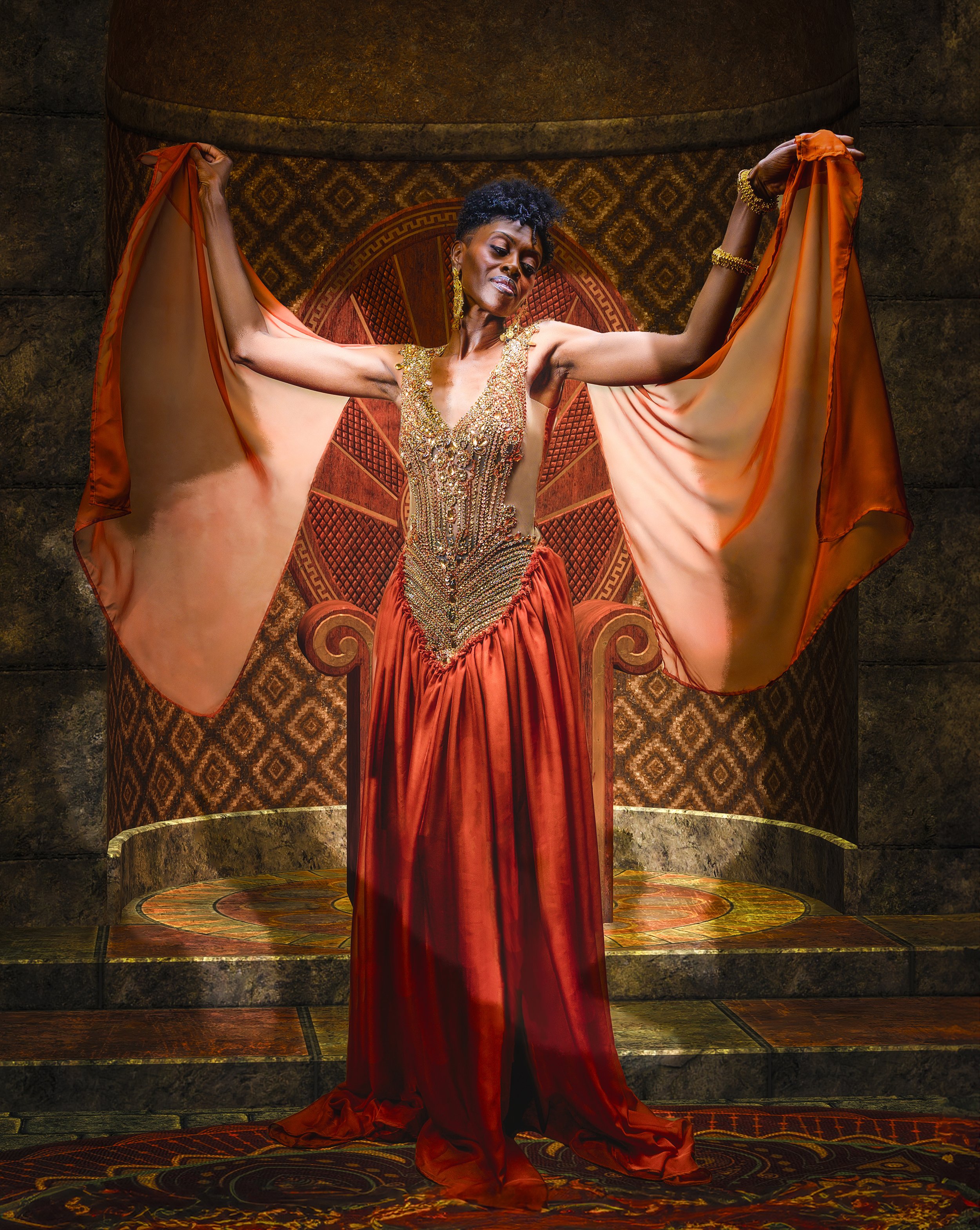
Bring Options to Your Portrait Session
You don't necessarily have to make every wardrobe decision before you arrive.
When possible, I encourage clients to bring several options. Different jackets, tops, dresses, accessories, or layers give us the ability to make decisions based on the lighting, background, and overall direction of the session.
Sometimes an outfit that looks perfect at home isn't the strongest choice on camera. Another option may photograph beautifully once we see how its color, texture, and shape interact with the set.
Having choices gives us room to create rather than forcing one outfit to work.
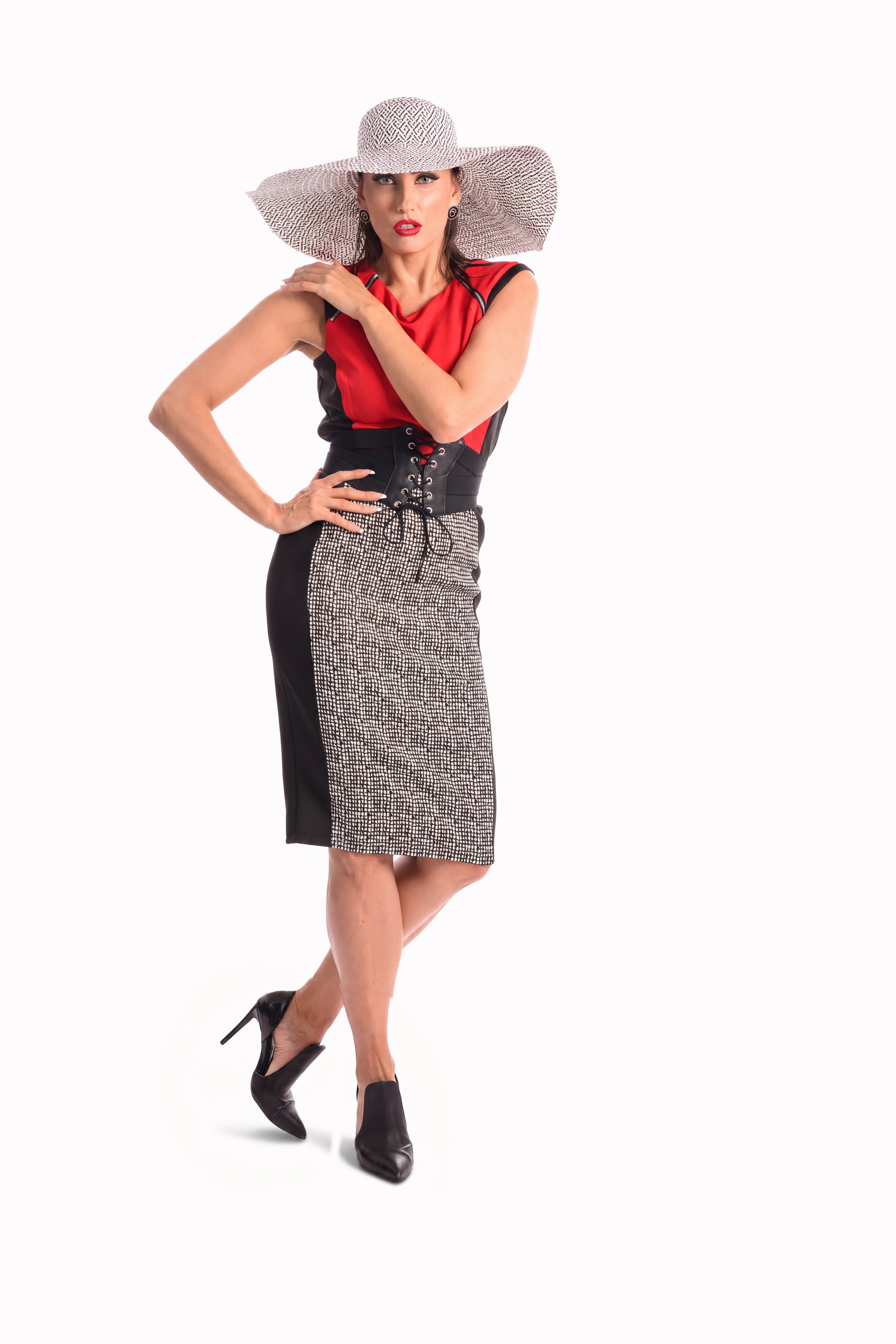
What you wear matters, but it doesn't have to be complicated. The strongest wardrobe choices are the ones that support who you are, how you want to be seen, and the kind of portrait we're creating. With thoughtful planning, your clothing becomes part of the story rather than something you have to worry about in front of the camera.
Your Portrait Begins Before the Camera Comes Out
A successful portrait begins with understanding how you want to be seen. From wardrobe and styling to lighting and expression, we'll plan the details together and create photographs that feel authentic to you and tell your story.
Ready to create a portrait that's distinctly yours?
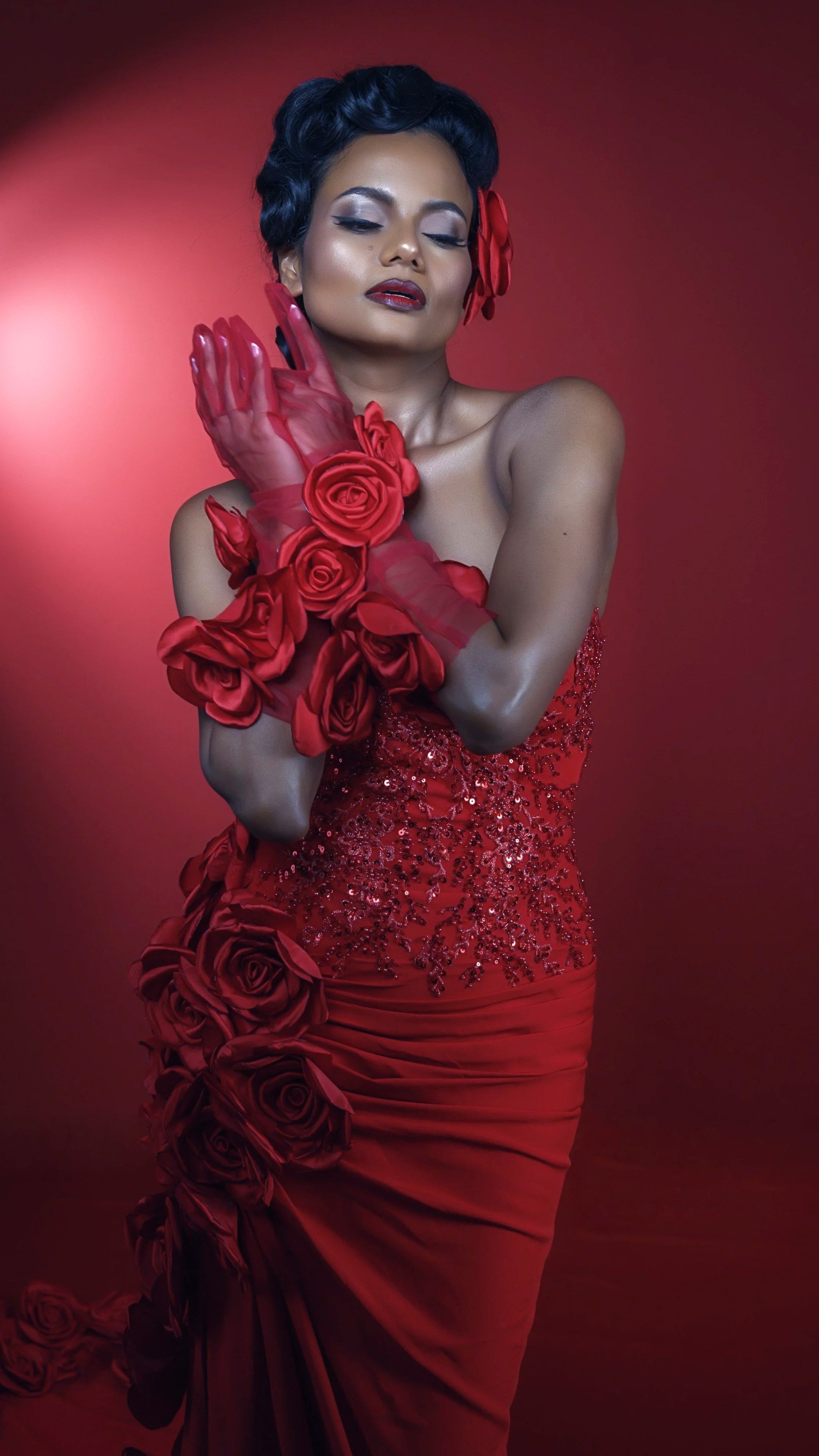
Fine Art Portrait vs. Traditional Portrait: What's the Difference?
Fine art portrait photography and traditional portrait photography each create meaningful images, but they differ in purpose, creative process, and artistic vision. Discover which style is right for you and learn how thoughtful portraiture can become timeless artwork.
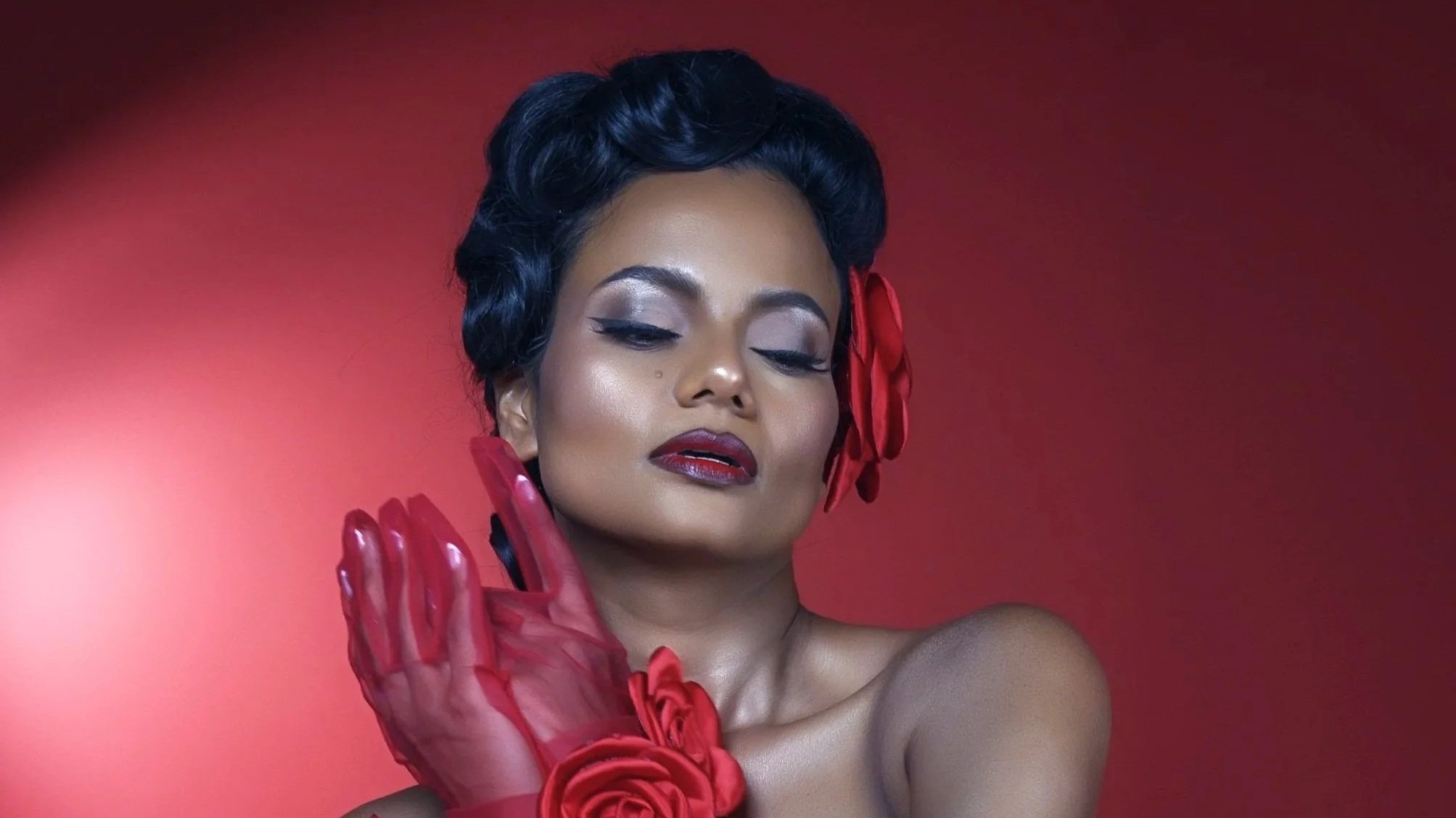
Fine art portrait of a woman in red with dramatic lighting by Southern California portrait photographer Mike Harriel.
Portrait photography is more than recording how someone looks—it has the power to tell stories, preserve emotions, and create lasting works of art. They often imagine a well-lit photograph that captures a person, family, or important moment in their lives. While that is certainly part of portrait photography, not every portrait is created with the same purpose, process, or artistic vision.
Two terms you may encounter are traditional portrait photography and fine art portrait photography. Both can create beautiful and meaningful images, but the experience and final results can be very different.
Understanding those differences can help you decide which style of portrait photography is right for you.
Traditional Portrait Photography
Traditional portrait photography focuses primarily on capturing an accurate, flattering, and authentic representation of a person.
The photographer carefully considers lighting, posing, composition, expression, and background to create a polished image. Depending on the session, the goal may be to document a family, celebrate a milestone, create professional images, or simply preserve how someone looks at a particular time in their life.
Traditional portraits can be created in a photography studio, outdoors, in a client’s home, or at another meaningful location.
The emphasis is typically on the subject and the connection they have with the people viewing the photograph.
A successful traditional portrait feels natural, personal, and timeless.
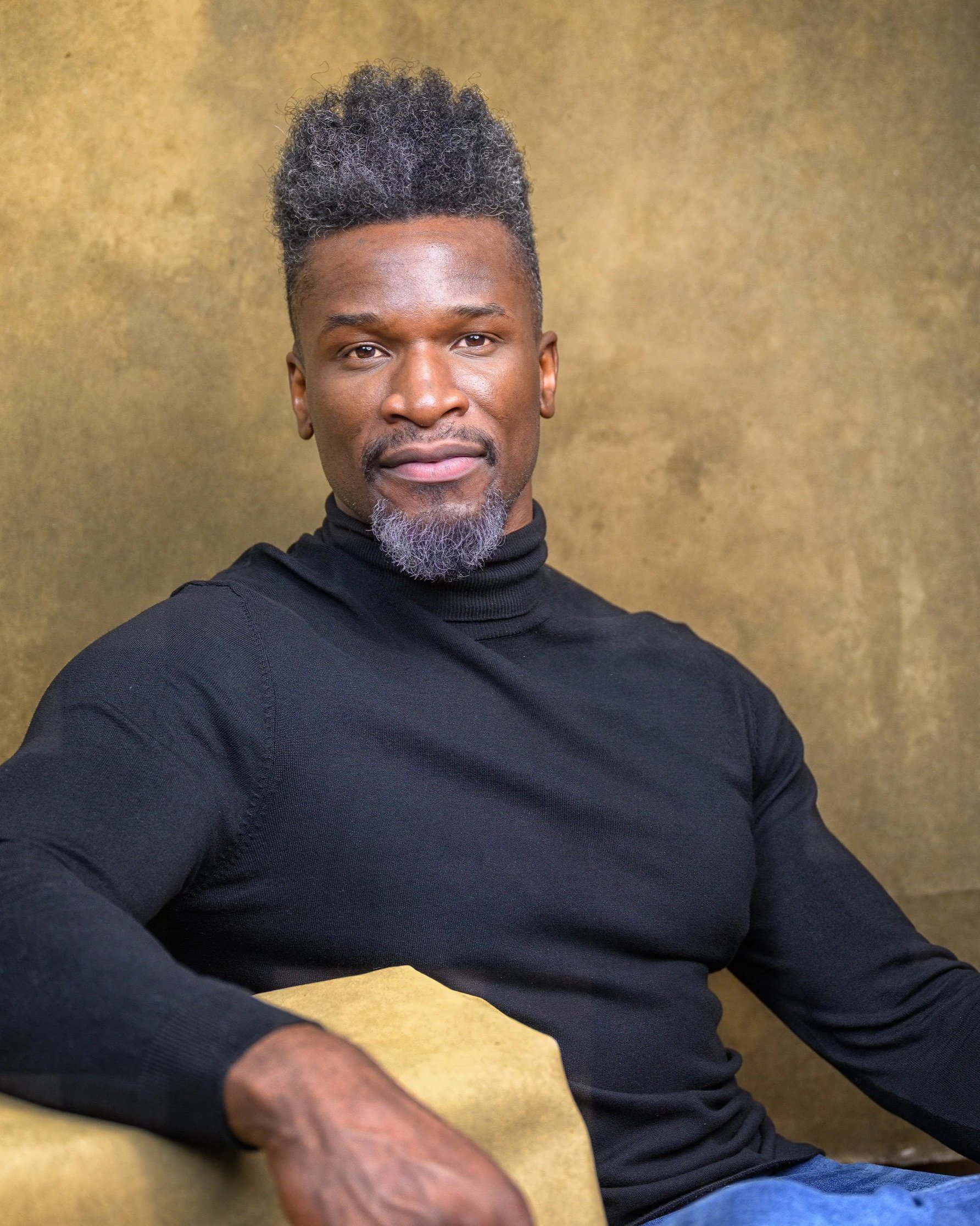
While traditional portraits emphasize authenticity and timeless representation, fine art portraits are created with a different artistic intention.
Fine Art Portrait Photography
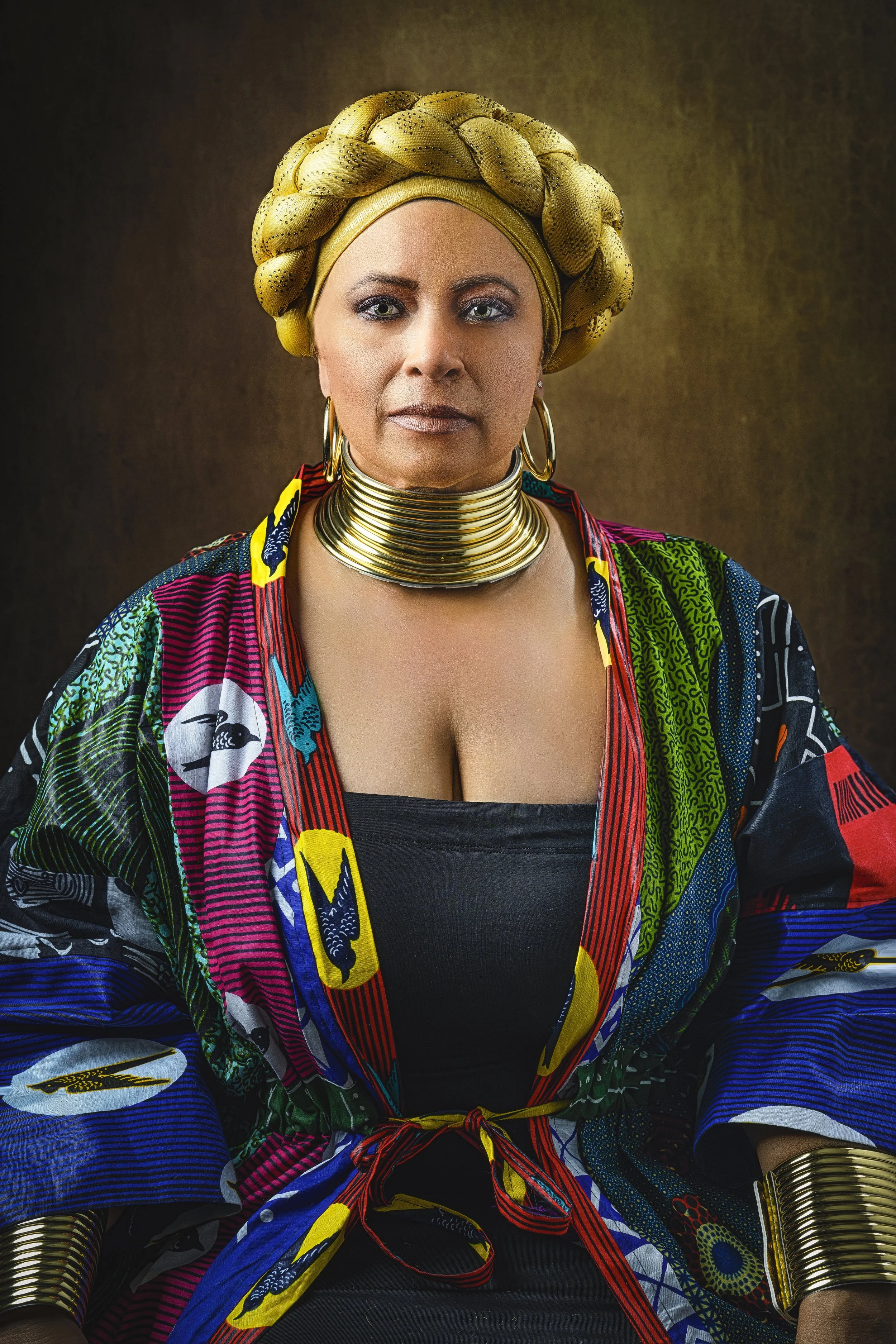
A fine art portrait begins with a different intention.
Rather than simply documenting how someone looks, the photographer approaches the portrait as a work of art.
The image is created around a concept, mood, story, or visual idea. Every element of the portrait may be intentionally selected to contribute to the finished image, including lighting, wardrobe, location, background, color palette, posing, composition, and post-production.
The photographer is not only capturing the subject but interpreting them through a creative vision.
Fine art portraits may draw inspiration from paintings, cinema, fashion, history, literature, or other forms of visual art.
The final image is often designed to have a sense of depth and atmosphere that encourages the viewer to spend more time with the photograph.
More Than Editing: Artistic Intention
One common misconception is that a traditional portrait becomes a fine art portrait simply through extensive editing.
Post-production can certainly play an important role in creating the final image, but fine art portraiture begins long before the photograph is taken.
It starts with intention.
The photographer considers the story, emotion, visual style, lighting, wardrobe, environment, and composition before creating the image.
Post-production is then used to refine and complete that vision rather than create it entirely after the session.
The Photographer’s Role
In traditional portrait photography, the photographer primarily focuses on creating flattering, authentic, and meaningful photographs of the subject.
In fine art portraiture, the photographer often takes on a broader creative role.
The photographer may act as a visual storyteller, lighting designer, creative director, and artist.
Instead of asking only, “How should I photograph this person?” the photographer may also ask:
“What should this portrait feel like?” “What story should it tell?” “What do I want the viewer to experience when they see the finished image?”
These questions influence every decision involved in creating the portrait.
“A fine art portrait doesn't simply document a person—it interprets them through light, composition, and storytelling. Every portrait tells a story. Fine art portraiture tells it with intention."
The Portrait Experience
A traditional portrait session may focus on capturing a variety of expressions, poses, relationships, and moments.
A fine art portrait session is often more deliberate.
There may be more planning before the session, including discussions about wardrobe, styling, location, lighting, and the overall creative direction.
During the session, fewer images may be created because more time is spent refining individual photographs.
The objective is not simply to create a large number of images.
The objective is to create photographs with intention.
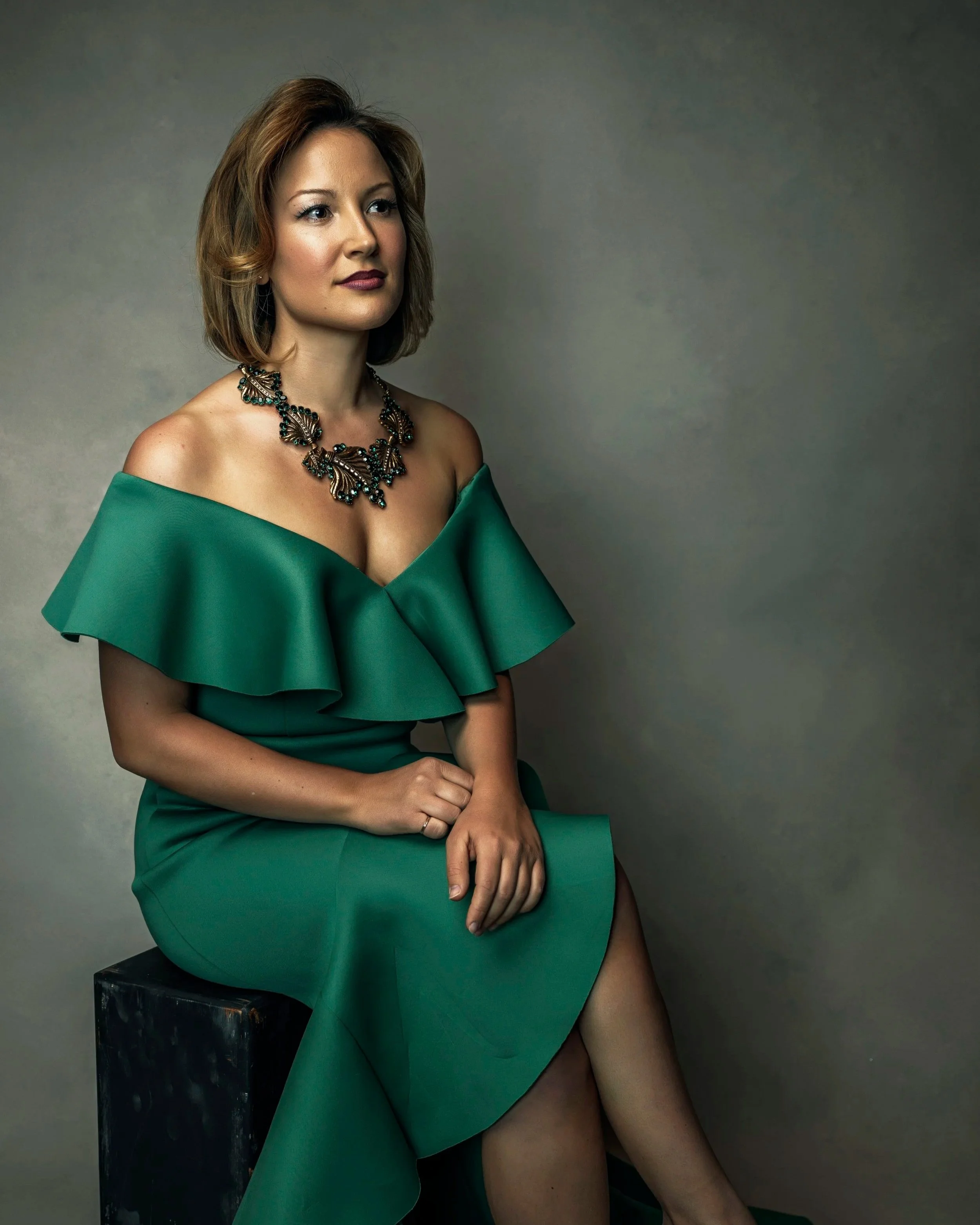
What Makes a Fine Art Portrait?
There is no single visual style that defines fine art portraiture.
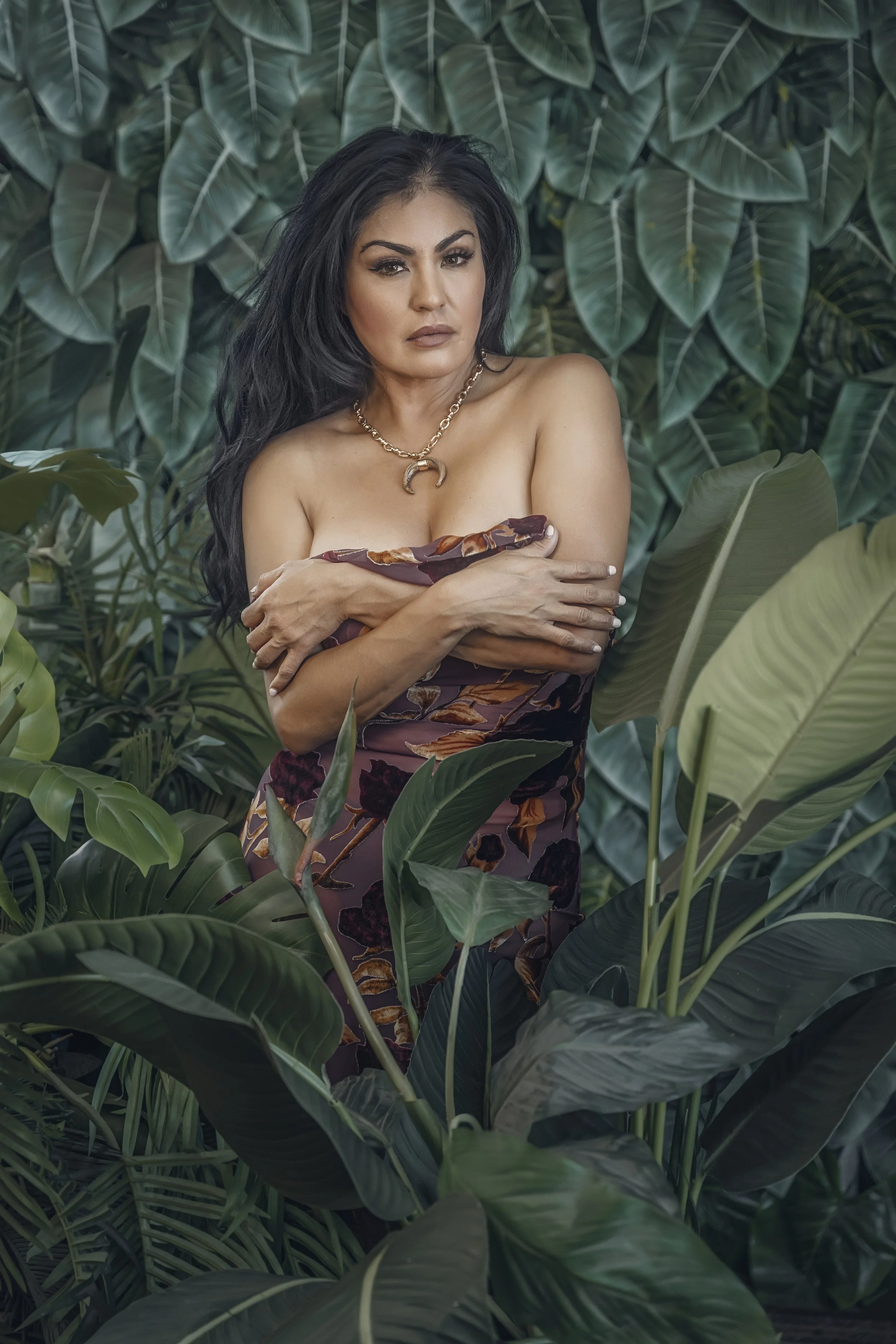
A fine art portrait can be dramatic and painterly, quiet and minimal, cinematic, contemporary, or inspired by classical portraiture.
What connects these different styles is intentional artistic expression.
The photographer uses light, composition, color, environment, and post-production to create a distinctive interpretation of the subject.
Ideally, the finished portrait feels less like an image that belongs only to a particular moment and more like a piece of artwork that can continue to hold meaning over time.
Which Style Is Right For You?
Neither traditional portraiture nor fine art portraiture is inherently better than the other.
The right choice depends on what you want from the experience and the finished photographs.
A traditional portrait session may be right for you if you want beautiful, natural photographs that document the people and relationships that are important to you.
A fine art portrait experience may be right for you if you want something more conceptual, highly intentional, and artistically interpreted.
You may want a portrait that feels cinematic, painterly, dramatic, or completely unique to you.
You may also want photographs that are created with the intention of being displayed as artwork in your home.
In that case, fine art portraiture may be the right experience.
Create a Portrait That Tells Your Story
A meaningful portrait begins with more than a camera. It begins with understanding who you are, what you want your photographs to express, and how you want to experience them for years to come.
Whether you are drawn to timeless portraiture or want to create something more cinematic, dramatic, or painterly, I will work with you to develop a portrait experience built around your story.
Mike Harriel Photography provides professional portrait photography throughout the Inland Empire, Riverside County, Orange County, Los Angeles County, and surrounding Southern California communities, and is available for travel.
A photograph doesn’t just freeze time—it breathes, turning moments into living stories.
What’s your story? Let me bring it to life.
Whether you're looking for timeless portraits, creative branding images, or museum-quality fine art portraiture, every session begins with a conversation about your story.
A photograph doesn't just freeze time—it breathes, turning moments into living stories.
What's your story? Let's Create a Portrait That Tells Your Story. Let me bring it to life.